





Together with our higher education and employer partners, we’re proving what’s possible when you empower the next generation of leaders with the skills, networks, confidence, and experience necessary to launch a strong career.
To date, we have worked with more than 15,5001 Fellows across the country, and our momentum continues to build. By 2032, we aim to serve 80,000-100,000 students, serving 25,000 new students each year through the Braven course.

In this report, we spotlight the stories of the exceptional undergraduate students we are privileged to serve and examine Braven’s impact through two central questions:
Are our Fellows securing quality career outcomes that put them on the path to the American Dream?

Are we supporting Fellows on the path to internships and college completion?

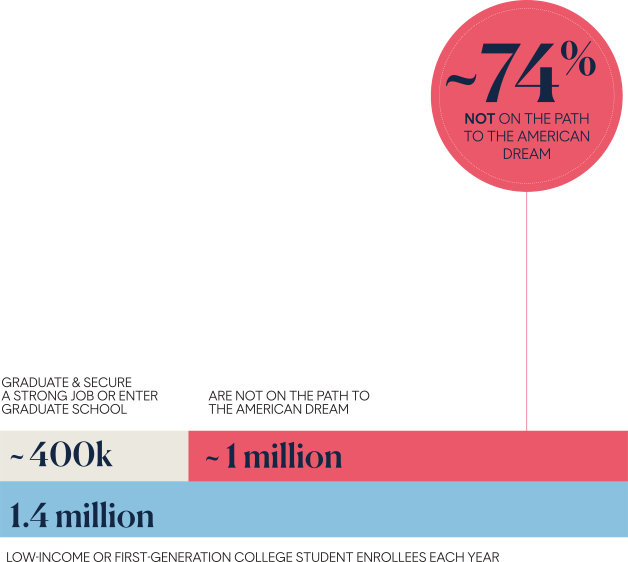
Only about one quarter of the low-income or first-generation college students who enroll in college each year will graduate and secure a strong first job or enter graduate school.2
That’s about one million students every single year who aren’t on the path to the American Dream.
In collaboration with our higher education and employer partners, Braven empowers promising college students with the skills, networks, confidence, and experience necessary to transition from college to strong economic opportunities, which lead to meaningful careers and lives of impact.
The next generation of leaders will emerge from everywhere.

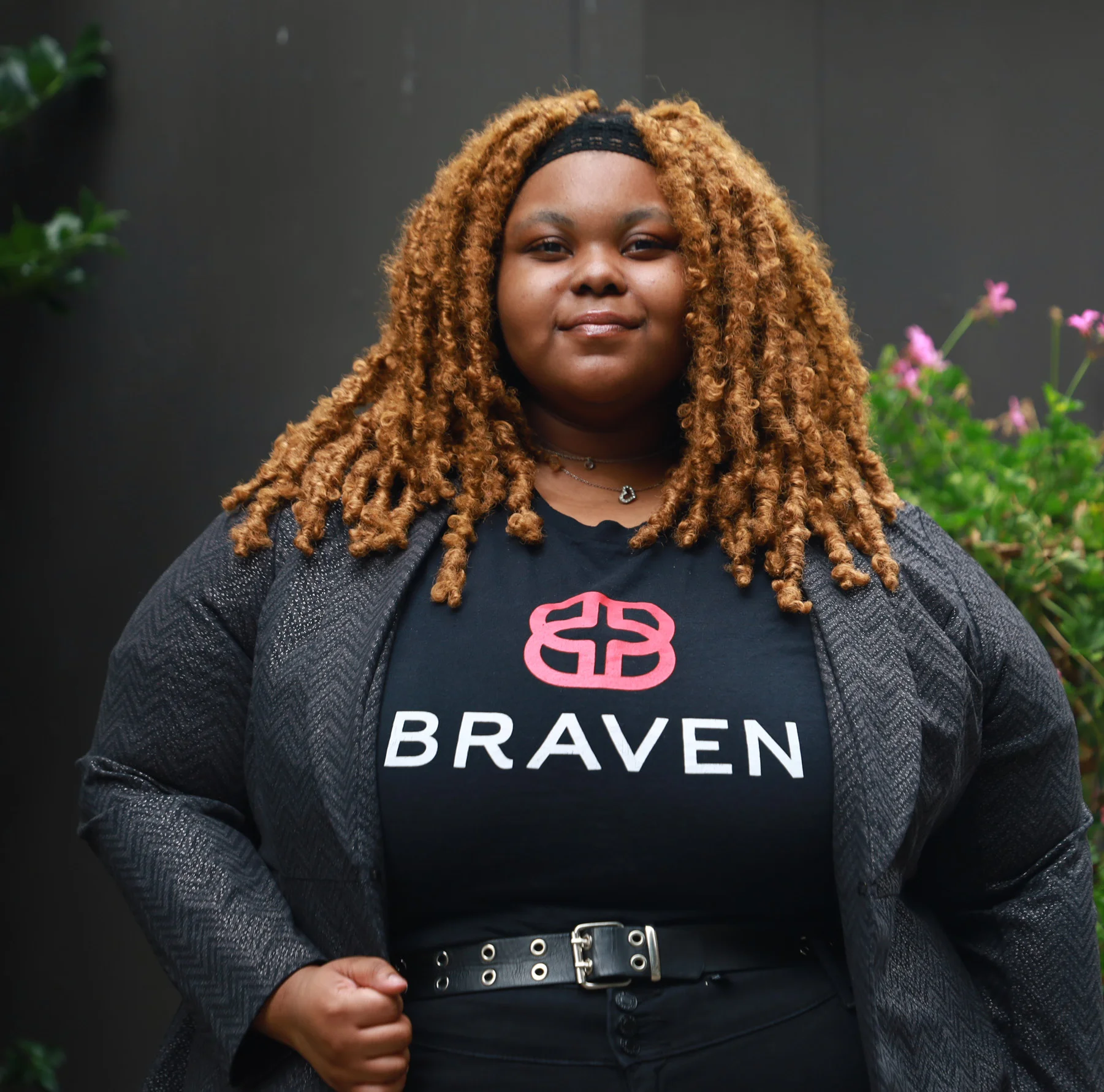

Braven provides career readiness for students earning a four-year degree, ensuring students graduate ready to secure a strong first opportunity.
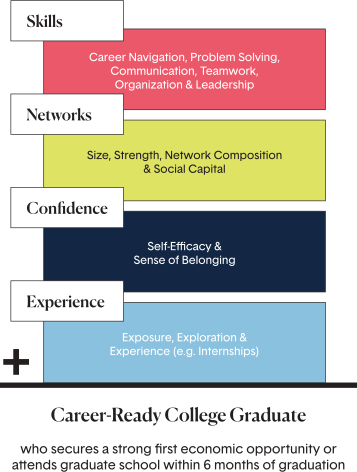
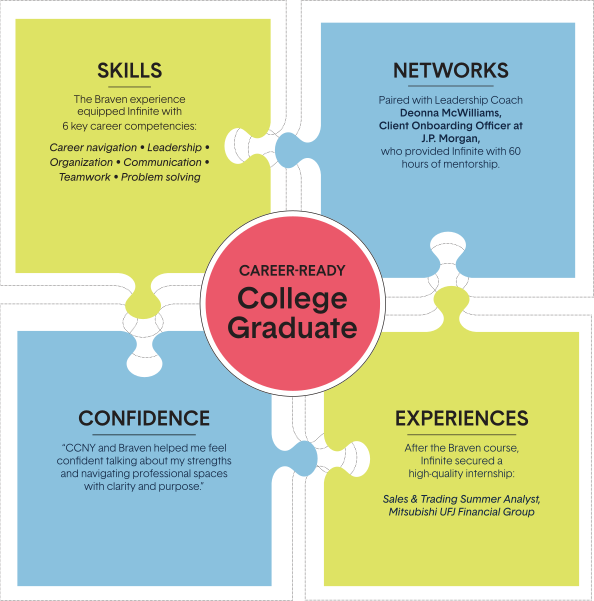
The Braven Equation is the sum of four career-readiness factors—skills, networks, confidence, and experience—which add up to a career-ready college graduate.
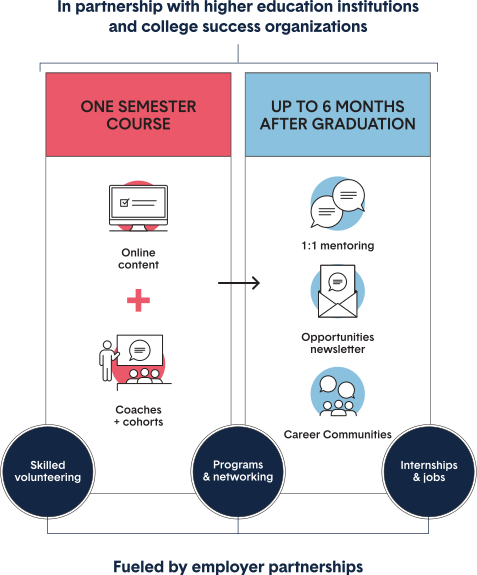
Braven equips promising college students on their paths toward quality economic opportunities through a semester-long, cohort-based course—developed with input from our higher education partners and faculty, employer partners, volunteers, and students—and support that extends beyond the course, continuing through six months after college graduation.
In our core higher education model, students take the course for credit. Students who come through BravenX via college success organizations receive a financial stipend in lieu of credit.










The entry-level market is tight. We have seen stagnation in entry-level job openings which, in part, is driving rising unemployment of recent graduates.
Compared to high school graduates, bachelor’s degree holders have higher employment rates, greater job security, and earn more over their lifetime.
According to The American Job Quality Study, employees with a bachelor’s or graduate degree are more likely to have strong job quality than those with an associate’s degree, some college, or a high school education or less.5
Workers with a four-year degree earn 70% more than workers with a high school diploma alone.
The challenge today is not the value of the degree itself, but ensuring students can successfully translate the skills they develop in college into the skills needed in entry-level positions.
AI is making it easier to apply to jobs. In June 2025, LinkedIn reported that the number of job applications surged more than 45% year-over-year, and the platform is clocking an average of 11,000 applications per minute.7
Twenty-six percent of candidates say AI has made it harder to stand out due to increased competition. Among Gen Z, that number jumps to 45%.7
Employers are prioritizing human skill competencies to distinguish the strongest entry-level candidates in an increasingly competitive applicant pool.
These include:8



These are closely aligned with the six career-readiness skills Braven helps students develop in the Accelerator course:
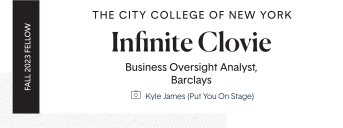
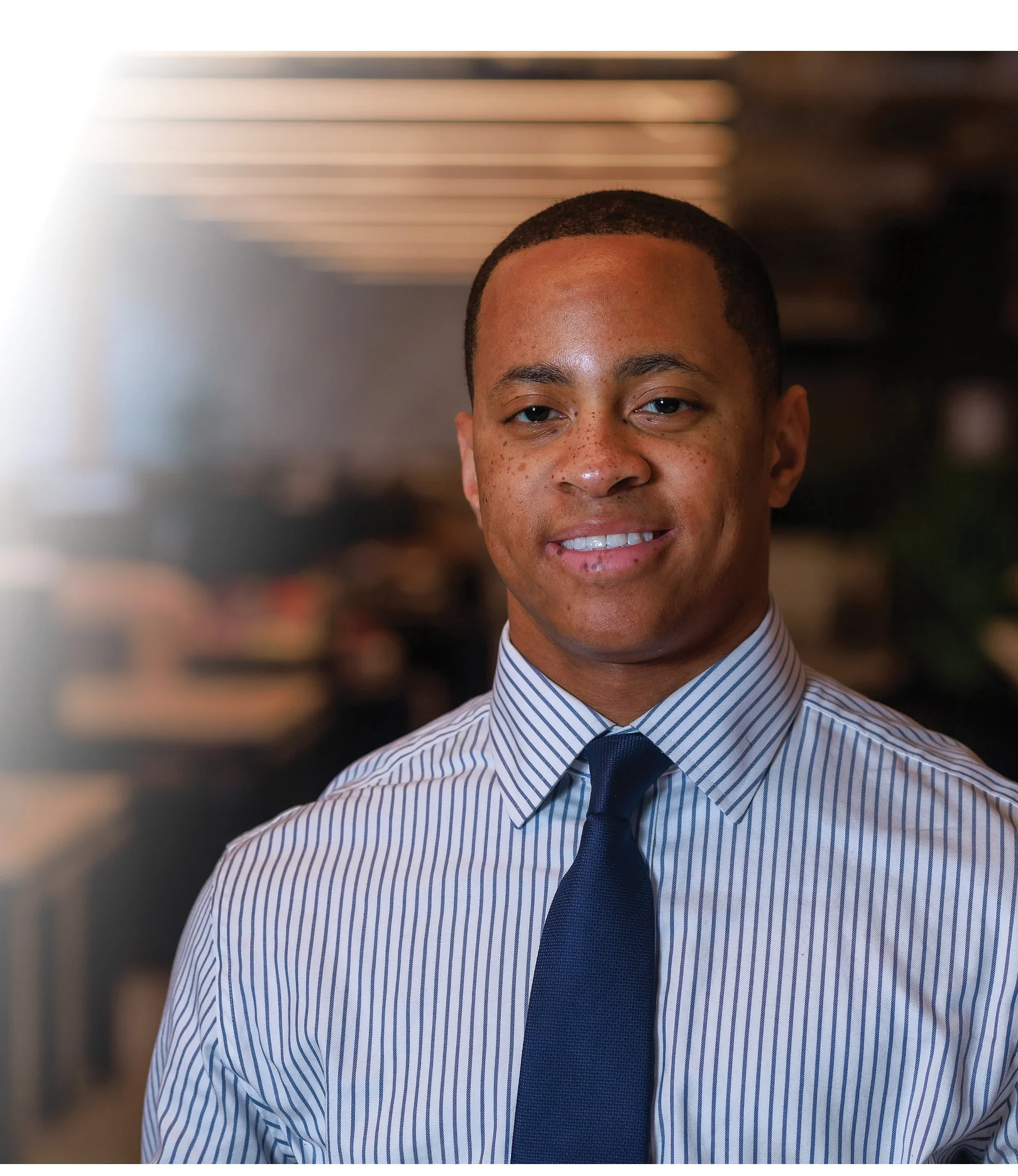
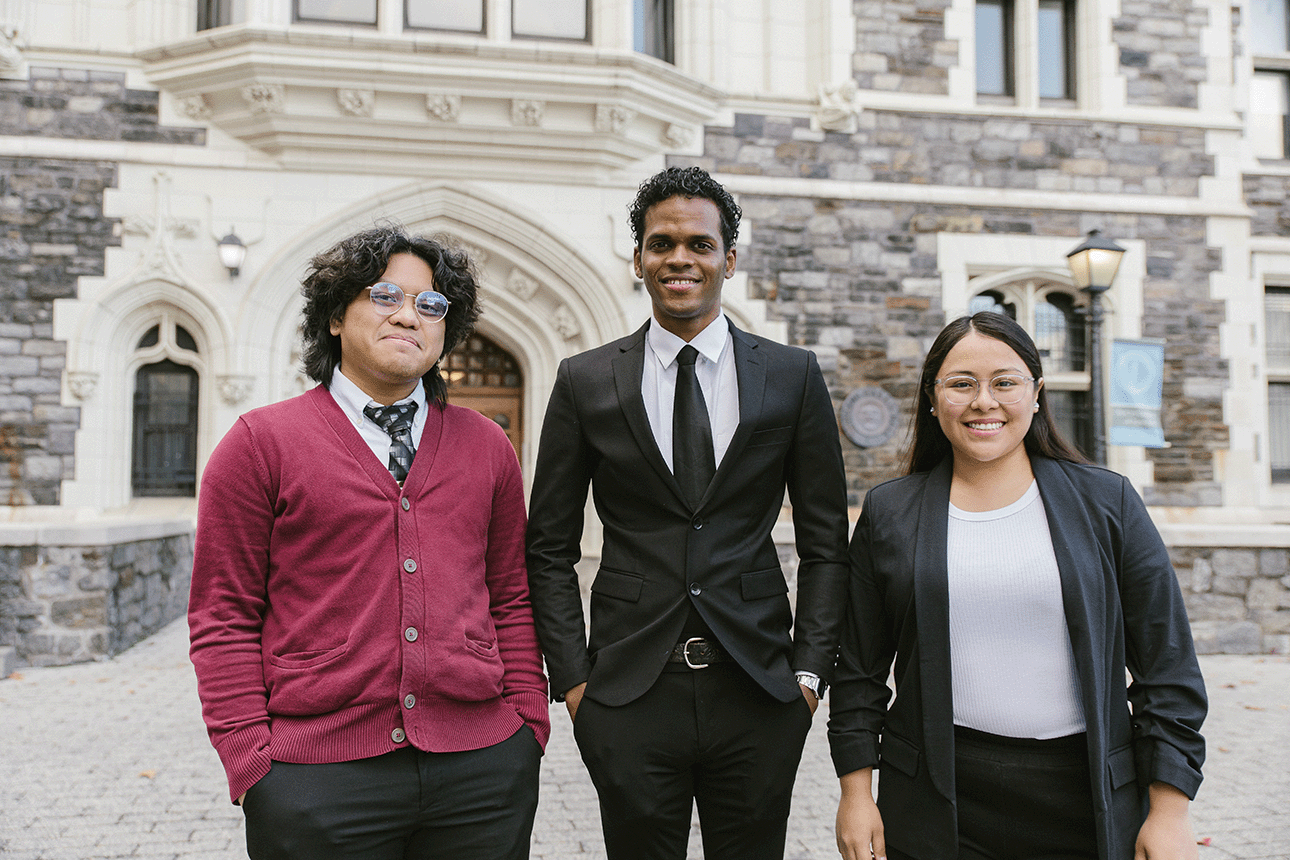
With Braven’s help, Infinite Clovie built the foundation
to get on the path to the American Dream.
are employed or enrolled in graduate school
secured quality
or pathway outcomes

2025 CCNY BRAVEN GRADUATES
How we define quality economic opportunities:
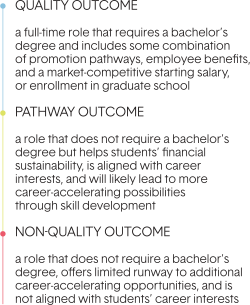
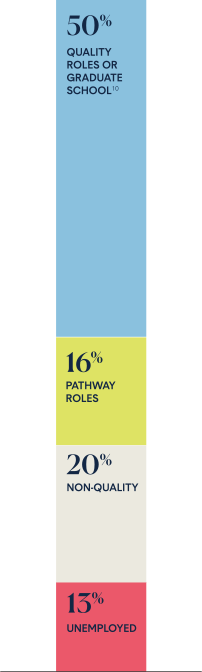
A high quality first job helps individuals build long-term wealth and health. Braven defines a strong first job as one that requires a bachelor’s degree and is full-time, and also includes some combination of promotion pathways, employee benefits, and a market-competitive starting salary.
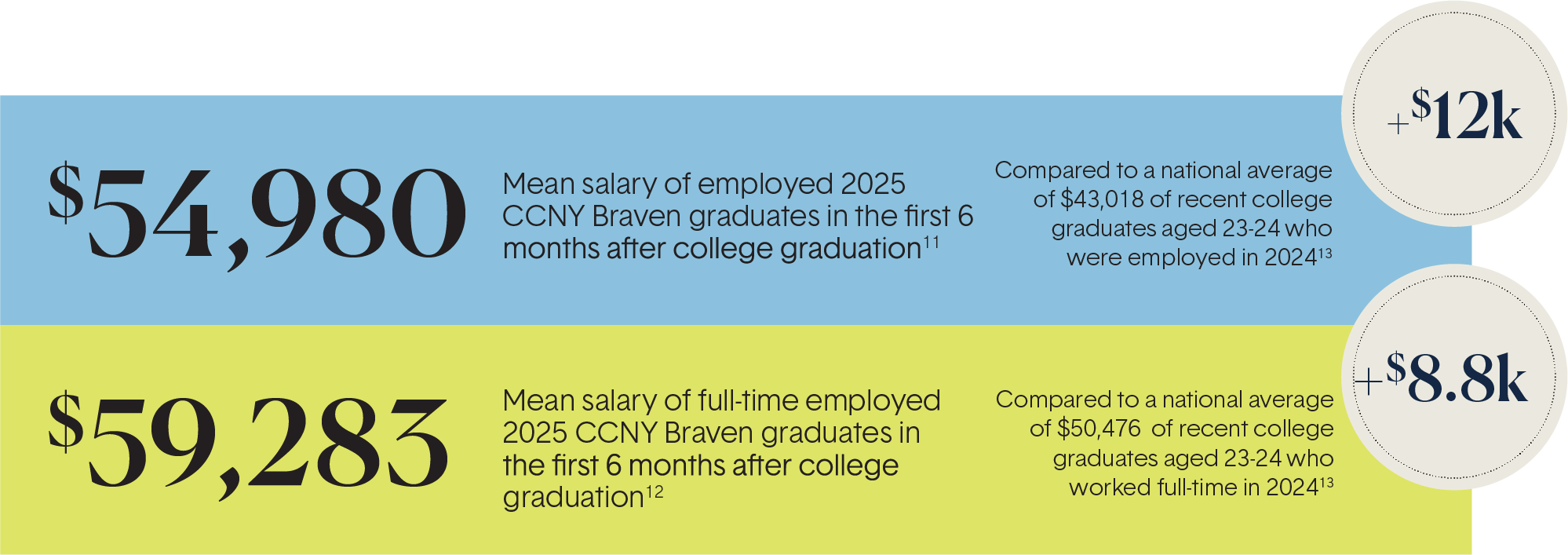
Six months post-graduation, CCNY Braven Fellows in the class of 2025 of our core higher education partners are out earning the national average salary for early college graduates.

RECENT BRAVEN GRADUATES NATIONALLY
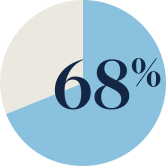
ARE IN ROLES ALIGNED WITH THEIR LONG-TERM CAREER INTEREST14
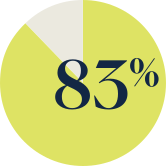
HAVE A JOB WITH EMPLOYER PROVIDED
BENEFITS14
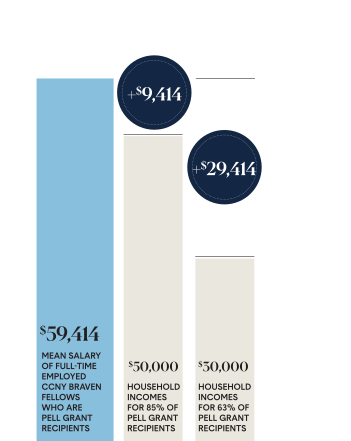
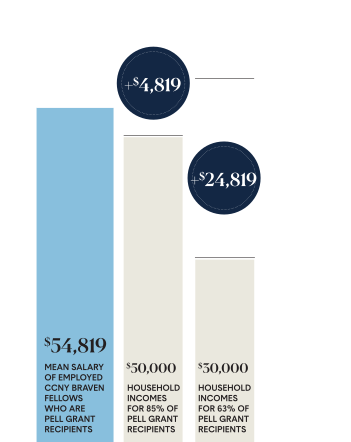
Nationally, 63% of Pell Grant recipients come from families with annual incomes below $30,000, and 85% come from families earning less than $50,000 annually.15
In their first job out of college, CCNY Braven Fellows are individually outearning most families who receive the Pell Grant.
Most Popular Industries for Braven Fellows Nationally

Education

BANKING & FINANCE

HEALTH

RETAIL

NONPROFIT
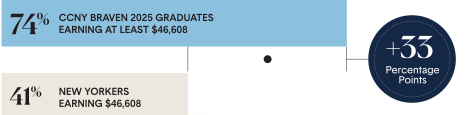
74% of CCNY Braven 2025 graduates are earning moderate to high-income salaries in their first job out of college—33 percentage points higher than the New York average.
Robin Hood Poverty Tracker, a long running study by Columbia University and the Robin Hood Foundation documenting the dynamics of poverty in New York, found that in 2024, only 41% of single New Yorkers without children earned at least $46,608, the threshold between low and moderate incomes in New York. Individuals who make at least moderate incomes are less likely to experience material hardship and work-limiting health conditions.16

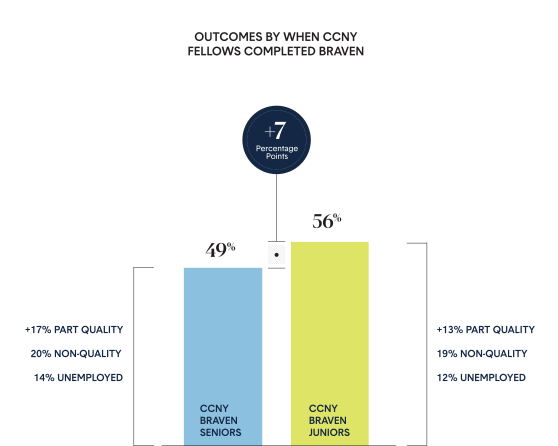
CCNY Fellows who take Braven as a senior have less time to complete career-accelerating experiences or participate in mentorship before graduating and entering the job market.
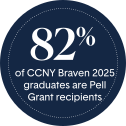
Of the 82% of CCNY graduates for whom we know outcomes:
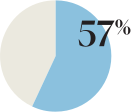
took the Braven Accelerator course as a senior
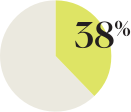
took the Braven Accelerator course as a junior

Unlike STEM or business majors, where entry-level roles with clear promotion pathways are more readily available, social science majors frequently find advanced degrees necessary to access careers in areas like social work, public policy, or academia.
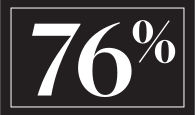
76% of CCNY Braven Fellows in the Class of 2025 are social science majors—as expected, given Braven is housed within the Colin Powell School for Civic and Global Leadership.
However, CCNY Fellows’ graduate school enrollment rates are much lower than national averages.
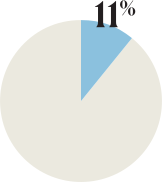
CCNY Fellows from the Class of 2025 who are enrolled in graduate school
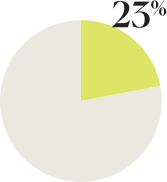
Students graduating from 4-year colleges nationally who are enrolled in graduate school
We are currently exploring potential causes of CCNY Fellows’ lower graduate school enrollment rates.

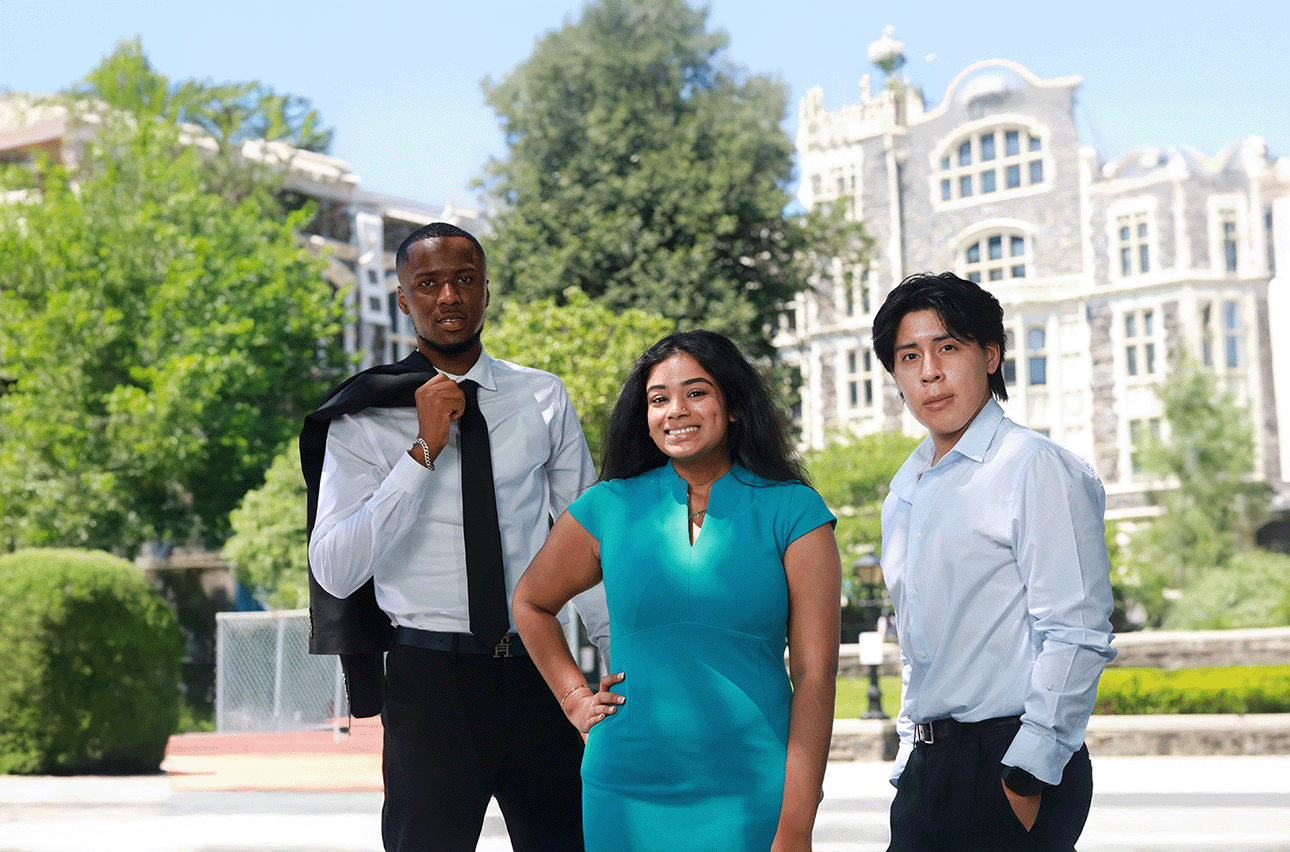
Internships help students chart their futures, but fewer opportunities and rising competition make them harder to secure.


Internship demand is outpacing availability.
Internship postings declined more than 15% between January 2023 and January 2025. Meanwhile, internship applications surged.
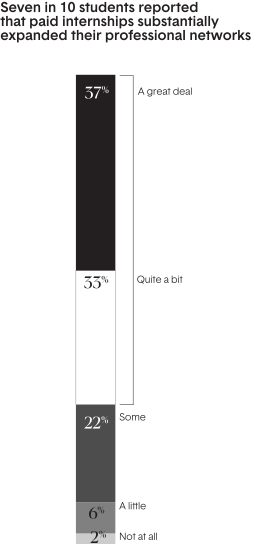
The National Survey of Work-Based Learning from Strada Education Foundation and the Center for College Workforce Transitions found that paid internships have positive career value in several domains including social capital and mentorship.


To what extent do you think your experience expanded your professional network?
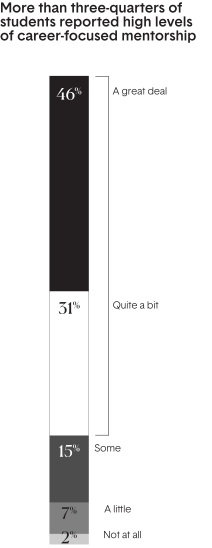


To what extent did your supervisor provide mentorship to support your career goals?
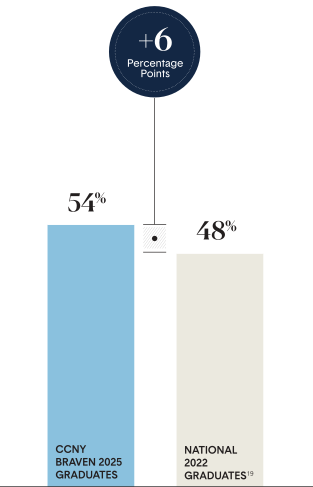
Compared with graduates nationally, Braven CCNY 2025 graduates were six percentage points more likely to have at least one internship during their college experience.
For college students, internships serve as critical proof points of experience that open professional doors.
Given the majority of CCNY 2025 graduates took the Braven Accelerator course as a senior, they had less time to complete career-accelerating experiences or participate in mentorship before graduating and entering the job market.




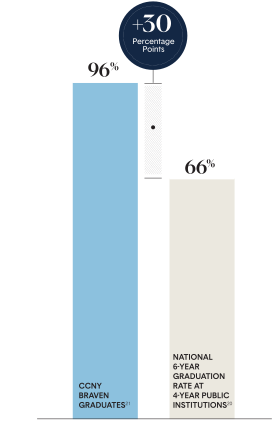
Nationally, less than 7 in 10 students graduate within six years of college enrollment.20
96% of CCNY Fellows are persisting in college or have graduated
Higher Education Partners & Employer Partners
Chicago State University (BravenX)
The City College of New York
Delaware State University
National Louis University
Northern Illinois University
Rutgers University - Newark
San Francisco State University (launched Fall 2024)
San José State University
Spelman College
University of Massachusetts Lowell (launched Spring 2026)
University of North Texas (launched Spring 2026)
5 Strong Scholars Foundation
Achieve Atlanta
Arkansas Commitment
Ascend Public Schools
Associated Colleges of Illinois
Augustana College
Breakthrough Kent Denver
Carmen Schools of Science & Technology
Chicago Scholars
Chicago State University
City Year Chicago
Coney Island Prep Public Schools
Cooperman College Scholars
Coral Academy of Science Las Vegas
Cristo Rey Network
DREAM Charter School
DSST Public Schools
Evanston Scholars
Excel Academy Charter School
Excellence Community Schools
Freedom Preparatory Academy Charter Schools
IDEA Public Schools
Judson University
KIPP Metro Atlanta
KIPP Forward
KIPP NJ
Lehman College
LISA Academy
National Association for Urban Debate Leagues
Newark Youth Career Pathways Program
North Central College
Noble Schools
Rivet School
SEEDS
The Academy Charter School
The Wight Foundation
Uncommon Schools
Uplift Education
UtmostU
Adobe
Apollo Opportunity Foundation
Barclays
Blackstone Charitable Foundation
Deloitte
JPMorgan Chase Foundation
LinkedIn
Morgan Stanley
NBA Foundation
Brooks Brothers & The Golden Fleece Foundation
CIBC Foundation
Cognizant US Foundation
Salesforce
The College Board
Audible
Berkshire Hathaway Specialty Insurance
Blackbaud
Nerdwallet
Pathward N. A.
Silver Lake
Taco Bell Foundation
UBS
United Airlines
Neuberger Berman
Bain and Company
Brown Advisory
Catalina
Cisco
Micron Technology, Inc.
Student Leadership Network
Teach For America
Unacast
Vanguard
Visa
Philanthropic Supporters ($10k+)
Akila Grewal
Carnegie Corporation of New York
Carroll and Milton Petrie Foundation
Charles Hayden Foundation
Deloitte Foundation
Gray Foundation
Ken Ohashi & Adam Freed
Siegel Family Endowment
The Carson Family Charitable Trust
The Ichigo Foundation
The Laurie M. Tisch Illumination Fund
Roger G. Arrieux, Jr.
Kimara Bonhomme
Akila Grewal
Ken Ohashi
1. 15,563 Fellows have completed the Braven Accelerator course to date; this includes core sites (City College of New York, Delaware State University, Northern Illinois University, Rutgers University-Newark, San Jose State University, and Spelman College) and non-core sites (BravenX, San Francisco State University, Lehman College, and National Louis University).
2. The percentage of students not on the path to the American Dream is an estimate of the percentage of Pell-Grant or first-generation students who have graduated but have not secured a quality job post college. This cohort is based on the latest data available and is the total fall 2022 enrollment of first-time degree/certificate-seeking students in degree-granting postsecondary institutions (NCES 2023 Digest of Education Statistics table 305.10) and the total fall 2021 enrollment of 2YR > 4YR transfers (NSC Research Center Fall 2023 Transfer and Progress Report). Based on this cohort, the percent of students not on path to the American Dream is calculated leveraging the following sources: “Percentage of Undergraduates Receiving Pell Grant in 2022-2023” NCES 2023 IPEDS Trends Generator; “Number of Full-Time, First-Time Degree/Certificate-Seeking Undergraduate Students... by Type of Aid Received” NCES 2020 IPEDS Data Explorer table 20; “Total Undergraduate Fall Enrollment in Degree-Granting Postsecondary Institutions, by Attendance Status, Sex of Student, and Control and Level of Institution: Selected Years, 1970 through 2031” NCES 2023 Digest of Education Statistics table 303.70; Trends in First-Generation Students: College Access, Persistence, and Postbachelor’s Outcomes NCES 2018 First Generation Students Report; Trends in Pell Grant Receipt and the Characteristics of Pell Grant Recipients: Selected Years, 2003–2004, 2015–2016 NCES 2019 IPEDS Trends Generator; NACE 2025 First Destination Survey and September 2025 Federal Reserve Bank of New York Underemployment Rate.
3. “The Labor Market for Recent College Graduates: Unemployment Rates for Recent College Graduates versus Other Groups.” Federal Reserve Bank of New York, 2024, www.newyorkfed.org/research/college-labor-market#--:explore:unemployment. Accessed 24 Feb. 2025.
4. Shrivastava, Allison. “September 2025 Labor Market Update: The Squeeze on New Entrants Mirrors a Marketwide Decline.” Hiring Lab, 25 Sept. 2025, www.hiringlab.org/2025/09/25/september-labor-market-squeeze-on-new-entrants/. Accessed 24 Feb. 2026.
5. Blankenship, Molly, et al. The American Job Quality Study: 2025 State of the U.S. Labor Force. Jobs for the Future / Families and Workers Fund / Gallup, Oct. 2025, www.jff.org/wp-content/uploads/2025/10/AmericanJobQualityReport_Final_10142025.pdf. Accessed 24 Feb. 2026. For the accompanying graph, a quality job is defined as one that allows workers to meet their basic financial needs, feel safe and respected, grow their skills, have a voice in decisions that affect them, and exercise some control over their time and work.
6. Morris, Catherine, et al. The Major Payoff: Evaluating Earnings and Employment Outcomes Across Bachelor’s Degrees. Georgetown University Center on Education and the Workforce, 2025, cew.georgetown.edu/major-payoff. Accessed 24 Feb. 2026.
7. Kessler, Sarah. “The Rise of the Robot Job Seeker.” The New York Times, 21 June 2025, www.nytimes.com/2025/06/21/business/dealbook/ai-job-applications.html. Accessed 24 Feb. 2026.
8. Job Outlook 2025. National Association of Colleges and Employers, Jan. 2025, naceweb.org/docs/default-source/default-document-library/2025/publication/research-report/2025-nace-job-outlook-jan-2025.pdf. Accessed 24 Feb. 2026.
9. 1306 Fellows are from the following core sites: City College of New York, Delaware State University, Northern Illinois University, Rutgers University-Newark, San Jose State University, and Spelman College.
10. Low-income means the Braven Fellow identifies as low-income or a Pell Grant recipient.
11. First-generation means the Braven Fellow identifies as a student who is the first in their immediate family to attend or graduate from a four-year college or university.
12. Braven defines quality outcome attainment using the following methodology:
a. Quality outcome: Fellow enrolls in graduate school or secures a job that requires a BA/BS, is full-time, and is paid.
b. Part-quality outcome: Fellow secures a job that is paid, aligns with long-term career interests, and meets at least one of the criteria below:
i. Requires a bachelor’s degree
ii. Is full-time
iii. Offers employer-provided benefits
iv. Earns >35k per year
v. Builds record of achievement/resume
vi. Builds transferable skills, especially within career interests
c. Not quality: Fellow secures a job that is paid, but does not meet the criteria of a part-quality or quality job.
d. Unemployed: Fellow is unemployed.
13. 57% is the percentage of Fellows who secured a quality job or enrolled in graduate school. All outcome percentages are based on Fellows for which their post-graduation outcome is known (87% or 1136 out of the total 1306 Fellows at core sites’ outcome is known).
14. Braven’s 45% peer benchmark is calculated by taking the NACE 2024 full-time employment rate for students at institutions with a high concentration of Pell Grant recipients (40-60%) from the NACE 2025 First Destination Survey, adjusting it for underemployment (using Federal Reserve of New York and U.S. Census data), and adding the percentage of students pursuing graduate school education.
15. Braven’s 49% national benchmark is calculated by taking the NACE 2024 full-time employment rate from the NACE 2025 First Destination Survey, adjusting it for underemployment (using Federal Reserve of New York and U.S. Census data), and adding the percentage of students pursuing graduate school education.
16. 27% is the percentage of Fellows who enrolled in graduate school. This percentage is based on Fellows for which their post-graduation outcome is known (87% or 1136 out of the total 1306 Fellows at core sites’ outcome is known).
17. Braven employed salary average is the approximated salary average for Class of 2025 Braven Fellows at core sites who secured any job (quality, part-quality, or not quality).
18. Braven full-time employed salary average is the approximated salary average for Class of 2025 Braven Fellows at core sites who secured a quality job.
19. U.S. Census Bureau. American Community Survey. Data filtered by age (AGEP 23-24), income (PINCP>$1), hours worked (WKHP > 35 or WKHP >0), employment status (ESR Civilian employed, at work), and educational attainment (SCHL Bachelor’s degree). U.S. Census Bureau, https://www.census.gov/programs-surveys/acs.
20. Data is based on 380 Post-Accelerator Fellow survey responses pooled from Fall 2021 - Fall 2025 across both core and non-core sites.
21. National Student Aid Profile: Overview of 2024 Federal Programs. National Association of Student Financial Aid Administrators, 2024, https://www.nasfaa.org/uploads/documents/2024_National_Profile.pdf. Accessed 24 Feb. 2026.
22. Handshake Internships Index 2025. Handshake, Mar. 2025, joinhandshake.com/themes/handshake/dist/assets/downloads/network-trends/Handshake-Internships-Index-2025.pdf. Accessed 24 Feb. 2026.
23. Building Better Internships: Evidence from the National Survey of College Internships. Strada Education Foundation / University of Wisconsin-Madison, June 2024, cdn.prod.website-files.com/6777c52f82e5471a3732ea25/679a75b6bb2ab5a398044a74_Building-Better-Internships-Full-Report-Updated-June-2024.pdf. Accessed 24 Feb. 2026.
24. Internship attainment rate is for the following core sites: The City College of New York, Delaware State University, Northern Illinois University, Rutgers University-Newark, San Jose State University, and Spelman College.
25. Clayton, Dave, et al. From College to Career: Students’ Internship Expectations and Experiences. Strada Education Foundation, 17 May 2023, www.strada.org/reports/from-college-to-career-students-internship-expectations-and-experiences. Accessed 24 Feb. 2026.
26. The National Comparison represents the six-year graduation rate for the 2018 cohort of full-time, first-time Pell Grant recipients at four-year public Title IV institutions. This rate is adjusted to account for year-over-year persistence from freshman through junior year. Data is synthesized from the NCES IPEDS Data Explorer (2024), the Digest of Education Statistics (2021), and American Institutes for Research (2023).
27. Six year graduation rate of Braven Fellows includes students who enrolled as first-time freshmen at SJSU and RU-N, not including those who took Braven as seniors, transfers, or international students. SJSU and RU-N are the only core sites included in the six-year graduation rate calculation because they have reached a threshold of graduates to date (200+) for which we have both valid enrollment and graduation data.
28. 51% is the percentage of Fellows who secured a quality job or enrolled in graduate school. All outcome percentages are based on Fellows for which their post-graduation outcome is known (70% or 209 out of the total 298 BravenX Fellows’ outcome is known).
